
Did you know? Nearly 7 out of 10 homeowners in St. Louis encounter hidden costs of building a custom home—costs that can push their budgets over the limit and their dreams off course. Whether you’re embarking on your first luxury build or upgrading to your forever home, understanding these unexpected expenses is crucial for success. This in-depth guide reveals industry secrets and planning strategies recommended by top St. Louis builders, so you can build with confidence and avoid surprises.
Unveiling the Hidden Costs of Building a Custom Home: What Most Don’t Expect
If you’re dreaming of building a custom home in St. Louis, it’s natural to focus on the exciting pieces: stunning architecture, premium finishes, and an environment designed just for you. However, the hidden costs of building a custom home often lurk beneath the surface, threatening to derail even the most carefully crafted plans. From required land prep before construction begins to the final walkthrough adjustments, unsuspected fees can accumulate rapidly. Planning ahead is not just helpful—it’s essential in today’s competitive home building environment.
Many homebuyers assume the quoted price or builder’s estimate is comprehensive. In reality, there’s often a gap between the price on paper and the final amount required for move-in day. Factors like site preparation, changing regulations, unexpected expenses, and design change orders can alter your budget overnight. Understanding every aspect of these hidden costs will empower you to safeguard your investment, account for unexpected fees, and truly enjoy the process of building your dream home in St. Louis.
“Many St. Louis homebuyers are surprised by how the hidden costs of building a custom home can impact their overall budget.” — HomeSource Custom Homes Architect
What You’ll Learn About the Hidden Costs of Building a Custom Home
-
Essential hidden costs of building a custom home in St. Louis
-
Planning strategies to prevent budget overruns
-
How to account for unexpected expenses during your custom home build
-
What industry experts recommend for future homeowners
Why Knowing the Hidden Costs of Building a Custom Home Matters
The decision to build a custom home is one of the most exciting—and substantial—investments you’ll ever make. Understanding the hidden costs of building a custom home is critical, not just for financial health, but to preserve the integrity of your dream home and the timeline you’ve envisioned. Mismanaged costs can cause stress, delay move-in, or force tough choices about must-have features for your custom space.
By planning ahead for the full spectrum of expenses, you can make clear-headed decisions and avoid unpleasant financial surprises. Expert St. Louis builders agree that transparent discussions about costs—including those beyond the standard construction estimate—create smoother projects and happier homeowners. Protecting your budget starts with knowledge, continues with diligent planning, and leads to a finished home you truly love.
Avoiding Financial Surprises During Your St. Louis Dream Home Build
When it comes to building a custom home, no one enjoys learning about last-minute fees or delays caused by insufficient budgeting. Construction projects are inherently complex, and the financial surprises often arise from areas most owners would never expect—like site preparation, building permits, or utility connections. By being aware of these hidden costs of building a custom home, you can plan ahead and establish a realistic spending plan that keeps the entire build on track. Ultimately, the peace of mind and smooth project flow that result from avoiding financial surprises will be worth the investment in extra planning.
Most importantly, understanding these hidden costs empowers homeowners to ask the right questions and cultivate a transparent partnership with their builder. Upfront knowledge can give you confidence, ensure every dollar is spent wisely, and prevent unfortunate compromises midway through your home build. As you embark on this journey, remember: a well-prepared budget is your greatest defense against unwanted financial detours.
Safeguarding Your Investment in Custom Home Construction
Safeguarding your investment isn’t just about picking a reliable builder or designer. It’s about mastering the details that can affect your custom home build—such as local regulations, regional site challenges, and St. Louis-specific requirements. Hidden costs can quickly eat into your contingency fund and stretch your resources thin if you don’t approach your build with vigilance. For high-end, luxury properties, overlooked expenses like custom landscaping or comprehensive inspection fees can add up to five figures or more after construction begins.
Building in St. Louis often means adapting to unique topographies, evolving building codes, and fluctuating costs of materials and labor. Only by understanding every step of the process can you truly protect your vision and long-term investment. Homeowners who successfully manage the hidden costs of building a custom home consistently report higher satisfaction and better long-term value from their property.
The Most Common Hidden Costs of Building a Custom Home
-
Site preparation costs (land prep, surveying, grading, demolition)
-
Unexpected expenses in the building process
-
Permit and inspection fees
-
Utility hookup and extension charges
-
Custom landscaping and external requirements
-
Design change order costs
-
Closing costs and final walkthrough adjustments
Site Preparation and Land Prep: The First Major Hidden Cost in Building a Custom Home
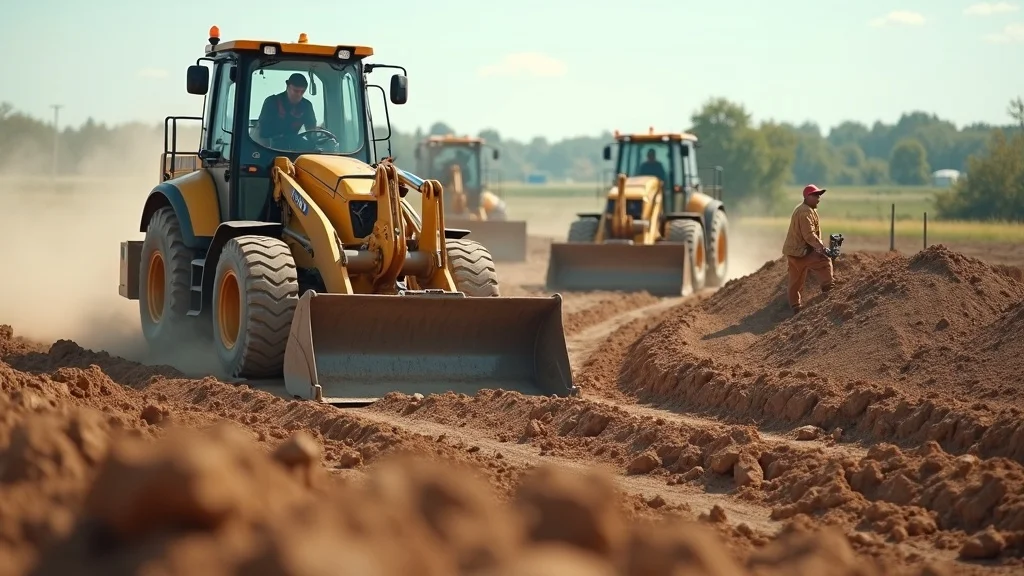
Before a single brick is laid, one of the largest hidden costs of building a custom home emerges—site preparation. Many homeowners dream only of their luxury finishes or architectural statement, but extensive effort and resources are needed just to prepare your land for construction in St. Louis. Land prep includes grading, soil testing, clearing trees, demolishing previous structures, and ensuring adequate drainage or flood protection. Each lot is unique, and preparation costs can vary widely depending on site conditions, size, and location relative to existing infrastructure.
These initial investments set the stage for your home build and can be substantial. Site preparation not only includes physical work, but necessary permits and surveys tailored to St. Louis regulations. It’s common for these costs to overshoot expectations for first-time builders—especially if hidden soil issues, unexpected debris, or accessibility challenges arise. By factoring these often-overlooked costs into your budget before construction begins, you’ll prevent significant delays and safeguard your dream home plans.
Land Preparation Costs Often Overlooked in Building a Custom Home
Land preparation is one of the most common blind spots in custom home budgeting. Preparing a plot in St. Louis requires more than just removing obstacles; you must analyze the site’s grade, access points, and proximity to utilities. Surveying, tree removal, erosion control, and even temporary road construction can all add hidden costs. The average site preparation costs can range significantly based on the lot’s slope, suburban versus rural location, and needed improvements.
Without expert evaluation upfront, what initially seemed like a ‘ready to build’ lot can harbor issues that escalate costs. For example, discovering unstable soil or the need for new sewer lines only after breaking ground leads to unplanned expenses. It’s essential to collaborate with a builder who understands local geology and municipal codes so you can estimate all land prep requirements before committing to purchase or construction.
Complexities of Site Preparation: Excavation, Soil Testing, and Septic System Fees
Site preparation involves a host of specialized services, from excavation and soil testing to foundational work for a septic system if municipal sewer connections are unavailable. Soil quality can make or break your foundation plans; if the ground is too soft or rocky, costs will escalate sharply as engineers design special solutions to ensure structural stability. Septic system fees also require careful attention, especially on larger or more secluded properties on the fringes of St. Louis.
Other complexity factors include necessary cut-and-fill work, debris hauling, and environmental compliance. Each of these subtasks can introduce hidden costs that weren’t captured in initial project estimates. Even straightforward sites can unveil surprises once excavation begins—reinforcing the value of upfront expert assessments and careful contingency planning.
| Comparison of Typical Site Preparation Costs for Building a Custom Home in St. Louis | ||
| Site Prep Category | Potential St. Louis Cost Range | Key Cost Factors |
|---|---|---|
| Land Clearing & Grading | $5,000 – $25,000+ | Tree removal, slope, soil condition |
| Surveying & Engineering | $2,000 – $12,000 | Lot size, boundaries, zoning |
| Excavation & Foundation Prep | $8,000 – $30,000+ | Depth, rock/soil issues, machinery |
| Septic System Installation | $6,000 – $20,000 | Perc test results, system type |
| Utility Access & Temporary Roads | $3,000 – $10,000+ | Distance to connections, access needs |
Building Permits, Inspections, and Local Fees: Navigating Regulatory Hidden Costs
Regulatory requirements in St. Louis present another crucial set of hidden costs of building a custom home. From the start, your home build will involve applying for permits, reviewing zoning codes, and scheduling required municipal inspections. Permit fees and impact fees can vary depending on your home’s size, design complexity, neighborhood, and even whether your property requires a zoning adjustment. These costs often surprise new homeowners, but are mandatory for project approval and legal occupancy.
Inspections are a necessary safeguard, but each required visit from city officials (covering plumbing, electrical, structural, and environmental compliance) adds unpredictability. If your design needs revisions to pass inspection, or if your build uncovers nonconformities, additional expenses will arise in both time and money. Thoughtful planning and clear communication with your builder will help anticipate these regulatory hidden costs and ensure your project stays on schedule.
Hidden Cost: Permit Fees, Impact Fees, and Zoning Adjustments
St. Louis is known for its thorough permitting process—designed to protect homeowners, but it’s also a key source of hidden costs in the home building process. Permit fees can add thousands of dollars to your project, with additional charges possible for plans exceeding local size thresholds or for homes requiring new utility footprints. Impact fees fund the expansion of municipal infrastructure (roads, parks, etc. ), while zoning adjustments may require legal filings or additional engineer studies.
Failing to obtain or budget for these fees can halt construction, invite fines, or force costly design changes. Experienced custom home builders will help you outline all regulatory costs well in advance so there are no mid-project surprises. Transparency at this stage is essential—knowing the exact requirements for your lot, home type, and intended use reduces the risk of stacking hidden fees onto your dream home budget.
Inspection Requirements During Your Home Build
Municipal inspections are non-negotiable at various milestones during your custom home build. City inspectors check the foundation, framing, mechanical systems, and final safety details to ensure everything complies with code. Each inspection can introduce delays, necessitate further work, or reveal issues that require change orders and extra funds. In St. Louis, some neighborhoods may enforce stricter standards, compounding the importance of planning for these hidden costs of building a custom home.
It’s not uncommon for buyers to be surprised by the cascading effect of re-inspections or additional compliance measures discovered as construction progresses. Anticipating these inspection-related costs—and building a robust contingency fund for them—will prevent last-minute budget crunches and ensure full compliance with city requirements.

The Costs of Utility Hookups and Infrastructure When Building a Custom Home
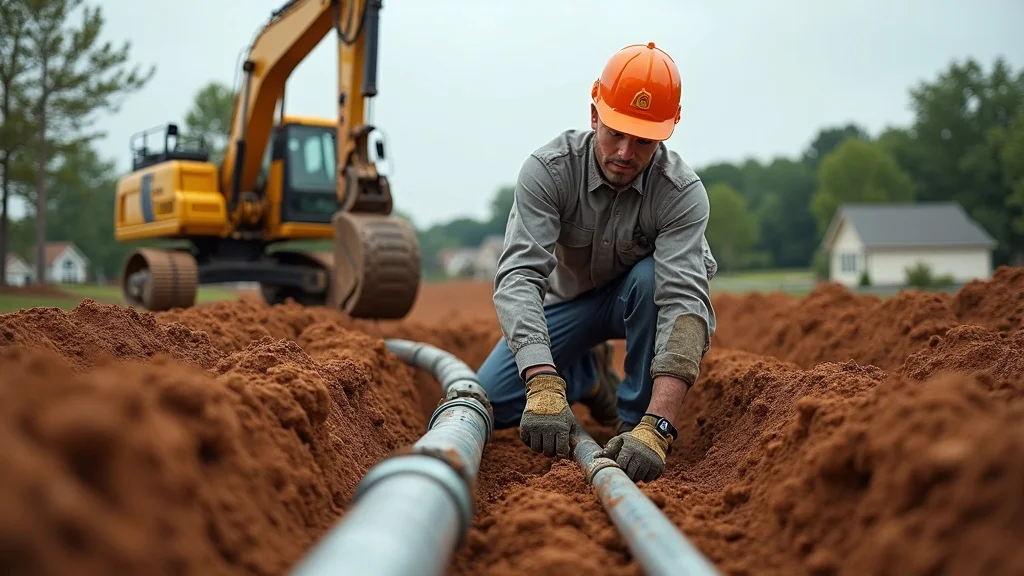
Utility connections are another source of hidden costs when building a custom home—frequently underestimated by those used to urban infill lots. Bringing water, sewer, electric, gas, or telecom infrastructure to your new property can involve extensive excavation, trenching, or even negotiating rights-of-way if connections are far from your property line. In some cases, installing new meters, transformers, or communication lines may be needed, with costs rising sharply for larger or more remote lots.
Failing to include these infrastructure needs in your early budgeting can lead to expensive delays and unexpected expenses. A knowledgeable project team will help you navigate local utility company policies, understand extension fees, and secure all necessary approvals ahead of time—minimizing risk and bringing your dream home to life without undue financial strain.
Bringing Utilities to Your Custom Home Site
New home sites in suburban or rural areas around St. Louis may lack established water, gas, or electricity connections. Extending these services from the nearest main line not only involves physical labor and materials, but often requires utility easements, special permits, or even road modification. Each additional foot of distance or complexity of hookup increases costs, sometimes by thousands of dollars more than anticipated.
For properties outside the city grid, special accommodations for utilities can dramatically affect your project’s bottom line. Skilled custom home builders will assess the required connections at the beginning, using detailed site plans to avoid surprises during construction. Thorough preparation remains the most effective way to address these hidden costs of building a custom home and maintain financial control over your project.
Septic System and Well Installation Costs
If your site is not served by municipal water/sewer systems, you’ll need to factor in separate fees for septic system installation and (if needed) drilling a new well. Soil tests—required before septic system design—can reveal expensive complications or require engineered upgrades to comply with health codes. Septic system and well costs often go overlooked, yet these elements are mandatory for occupancy and daily life in suburban or rural St. Louis homes.
Because the costs can vary widely depending on geology, acreage, and depth, it’s essential to conduct all relevant studies and secure estimates for these systems before finalizing your home build plan. Clear communication with engineers and the builder ensures each element is properly budgeted and compliant from the start.
Custom Landscaping and Outdoor Features: The Overlooked Hidden Costs
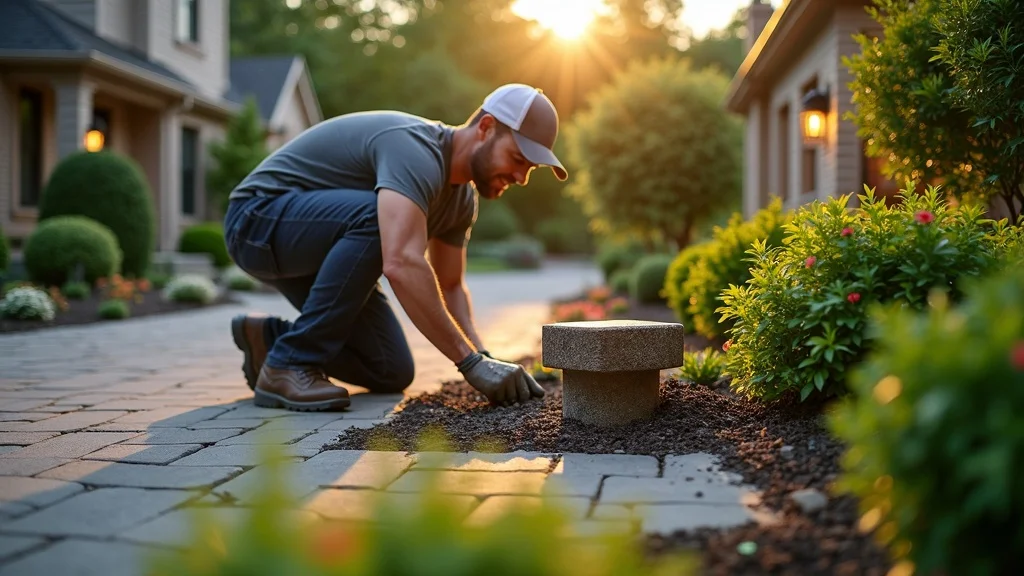
Beautiful outdoor spaces are a hallmark of a luxury custom home, but outdoor construction is often not included in the base contract with your home builder. The costs tied to custom landscaping, driveways, retaining walls, and exterior lighting can catch homeowners off guard—particularly in St. Louis, where variable soils and neighborhood covenants can require extra work or enhancements. A lush, mature landscape and well-appointed hardscaping contribute as much to your home’s curb appeal and investment value as the structure itself.
Don’t let these external costs be an afterthought. Early planning for landscaping allows you to select plants and designs suited to the Midwest climate, avoiding rework and minimizing future maintenance expenses. Discuss your vision for outdoor living with your designer early in the project and request clear line-item estimates for all hardscape and softscape features planned for your property.
Landscaping Expenses Unique to Building a Custom Home
Landscaping for custom homes involves more than sod and a few shrubs. You may need to invest in soil amendments, irrigation systems, specialty trees, or custom garden walls. St. Louis’s unpredictable weather and clay-heavy soil also demand professional grading, erosion control measures, and drainage systems—all of which add to the hidden costs of building a custom home.
Given these variables, it’s easy to see how ambitious exterior designs can far exceed initial estimates. Partnering with a builder experienced in both home construction and landscaping integration will help ensure seamless coordination and full transparency in your outdoor space budget.
Retaining Walls, Driveways, and External Lighting: Additional Home Build Costs
Beyond standard landscaping, structural elements such as retaining walls, walkways, custom driveways, and exterior lighting each represent separate line items that frequently go unplanned. In hilly or sloped St. Louis parcels, retaining walls may be required for both safety and aesthetics, while driveways and patios designed for high-end finishes will cost more than standard poured concrete. Incorporating these elements into your contract from the start prevents sticker shock at project closeout.
Likewise, investing in quality outdoor lighting not only adds appeal but dramatically improves security. Always ask your builder to specify these items and obtain multiple bids to understand the wide range of available options and their price implications.
Unexpected Expenses and Change Orders in a Custom Home Build
Even with detailed planning, unexpected expenses are a reality in the custom home building process. No two projects are the same, and as construction progresses, previously unseen challenges or new homeowner wishes can trigger change orders. These may stem from changing your mind on finishes, uncovering hidden site issues, or adapting to newly discovered municipal requirements. Each change order or unplanned issue adds to the total investment and extends your build timeline.
The best defense? Build a strong contingency fund and work with an experienced builder who communicates clearly. Expert project managers help anticipate, document, and resolve these surprises quickly, minimizing both cost overruns and delays.
How Design Changes Impact the Costs of Building a Custom Home
Design changes or upgrades after construction has begun are one of the top hidden costs of building a custom home. Unlike production builds, custom home projects allow for more flexibility, but this flexibility comes at a cost. Adding a window, reconfiguring a kitchen, or switching to premium fixtures triggers a change order—and with it, added materials, labor, and sometimes rework fees. Even minor tweaks can snowball into substantial costs if not coordinated carefully with your builder.
The best practice is to finalize as much of your home’s design as possible before ground breaks, and to allow room in your budget for a few well-considered upgrades. Open dialogue with your builder about their process for documenting and estimating change order costs ensures there are no nasty surprises down the line.
Contingency Funds: Planning for the Unplanned During Your Home Build
The one thing every industry expert agrees on: plan for the unexpected. Setting aside a robust contingency fund—typically 10% to 20% of your project’s total budget—can help cover unforeseen site conditions, material shortages, or scope changes that inevitably arise in home building. Without this financial cushion, homeowners may face difficult decisions or stress when issues appear. The key is to see this as a proactive investment in your peace of mind, not an optional extra.
A builder with years of local experience will help you anticipate realistic contingency fund targets and ensure these line items are included in your custom home budget spreadsheet. Careful documentation and regular budget reviews are your best tools for managing—and minimizing—unexpected costs.
| Potential Change Order Scenarios and Associated Hidden Costs in St. Louis | ||
| Change Order Trigger | Hidden Costs Involved | Prevention Strategies |
|---|---|---|
| Design Upgrades (flooring, cabinets, lighting) | Increased materials, labor, delivery delays | Finalize decisions before build, buffer in budget |
| Site Surprises (poor soil, water table issues) | Excavation, engineering, additional permits | Comprehensive soil tests, upfront surveys |
| Municipal Requirement Adjustments | Re-inspection fees, redesigns, wait time | Early consultation with city/county, experienced builder |
| Homeowner-Initiated Changes | Scope creep, replanning fees | Detailed contract, clear communication process |
Closing Costs, Final Walkthroughs, and Post-Construction Fees
Once your dream home is physically complete, the process isn’t quite finished: final closing costs, last-minute walkthrough adjustments, and post-construction fees constitute another layer of expense. These costs of building a custom home can cover everything from lender-mandated surveys to title transfers, insurance, and last-minute punch-list items discovered in the final walkthrough with your builder.
Budgeting for closing costs and minor completion work in advance is the best way to ensure your home build ends on a positive note—with no lingering to-dos or surprise invoices after move-in.
Common Closing Cost Surprises When Building a Custom Home
Closing costs for a custom home extend beyond the purchase price, comprising title search fees, attorneys, documentation, and tax filings. On a new build, you may also encounter mechanical system escrow, extra lender inspections, or homeowner association dues for newly created subdivisions. These items can add several thousand dollars to your tab, especially if not anticipated in the early budgeting phase.
Plan ahead by consulting your lender, real estate attorney, and builder about all probable closing costs. Get clear estimates in writing and build these into your total project budget from the start to eliminate last-minute surprises when your new keys are handed over.
Post-Construction Adjustments and Warranty Considerations
Even after move-in, you may need to pay for adjustments or repairs not covered by the builder’s warranty—or those discovered during your final punch-list inspection. For luxury custom homes in St. Louis, warranty programs may offer comprehensive coverage, but some minor repairs, landscaping adjustments, or appliance upgrades remain the homeowner’s responsibility. Allocating funds for these finishing touches protects your investment and ensures your home’s first year is as enjoyable as you imagined.
Thorough pre-close inspections, open dialogue with your builder, and reading the warranty package carefully will reduce the risk of post-construction financial surprises and help you address any outstanding issues efficiently.
Property Taxes and Long-Term Ownership: The Sustained Hidden Costs of Your New Custom Home
Many custom home buyers plan for the build but overlook the sustained costs of ownership—especially when it comes to property tax assessments. Unlike existing homes, newly built custom properties are often assessed at full market value immediately after construction. This can result in higher annual property taxes than anticipated, starting in year one, and continuing for as long as you own the home.
St. Louis, like many counties nationwide, reviews properties annually and may adjust tax rates based on improvements, neighborhood growth, and new assessments. Understanding the local property tax landscape is vital for setting your long-term homeownership budget.
How Property Tax Assessments May Differ on a Custom Home
Unlike older homes, which may be taxed at legacy rates, new custom homes in St. Louis are typically assessed at contemporary market value. If you built premium features, high-end finishes, or significantly expanded outdoor living spaces, expect the county’s assessment to reflect those upgrades. It’s important to consult with both your builder and local assessor’s office to estimate accurate tax bills.
Keeping detailed build records and understanding the timeline for post-build assessments helps prevent unexpected property tax bills and supports successful appeals should you disagree with the county’s valuation.
Budgeting for Long-Term Home Ownership Costs
Property taxes are just one aspect of sustained custom home ownership expenses. Long-term maintenance, landscaping upkeep, homeowners association dues (where applicable), and insurance premiums all need to be factored into your ongoing budget. Knowing these costs upfront, and setting aside regular funds for each, will allow you to fully enjoy your beautiful new custom home without financial stress.
For luxury builds in St. Louis, larger square footage and more amenities can lead to proportionally higher ownership costs. Routine reviews of all property-related expenses are the best way to prevent accumulative hidden costs from eroding your home’s enjoyment and investment value.
People Also Ask: Hidden Costs of Building a Custom Home
What are the most common hidden costs of building a custom home?
The most common hidden costs of building a custom home include site preparation (grading, clearing, and soil testing), permit and inspection fees, utility hookups, custom landscaping, change orders during construction, and closing costs. Working with an experienced builder and clarifying all contract line items can help you plan ahead for these expenses and avoid budget overruns.
How can I plan for unexpected expenses when building a home?
Set aside a contingency fund of at least 10-20% of your total budget for unexpected expenses. Work closely with your builder to identify potential risks, ask for detailed estimates, and review every stage of the process for overlooked items such as site conditions or additional regulatory requirements. Regular communication and transparency keep your project—and your budget—on track.
Does St. Louis have unique costs when building a custom home?
Yes, building in St. Louis can introduce unique costs tied to regional soil conditions, flood zones, rigid municipal permit processes, and Midwest-specific landscaping requirements. Engaging with a builder who has experience navigating local regulations and environmental conditions will ensure you are fully aware of these unique costs early on.
Should I set aside a contingency fund when planning my custom home budget?
Absolutely. All experienced custom home builders recommend setting aside a contingency fund for unexpected expenses, whether due to design changes, soil surprises, or regulatory changes. This fund helps you absorb minor cost overruns without sacrificing the quality or timeline of your dream home build.
What happens if my site preparation uncovers additional work?
If site preparation discovers unforeseen challenges (like unsteady soil, debris, or drainage issues), your builder may submit a change order and propose solutions. The additional work will add to your project timeline and costs, underscoring why detailed site assessments and contingency planning are so important before construction begins.
How to Plan for the Hidden Costs of Building a Custom Home
Work with an Experienced Custom Home Builder in St. Louis
Choosing a reputable builder familiar with St. Louis home building is the single best defense against hidden costs. An experienced contractor will know how to address complex land prep, navigate local regulations, and provide a transparent, itemized budget that includes everything from site prep to final landscaping. Their guidance ensures every hidden cost is considered and managed before it becomes a problem.
Transparent Budgeting: Including a Contingency Fund
Transparency in budgeting is key. Keep a detailed budget spreadsheet, review it regularly with your builder, and include a robust contingency fund for truly unpredictable expenses. This not only protects your finances but also maintains trust and clarity among everyone invested in your home build’s success.
Ask the Right Questions Upfront About Home Build Costs
-
Keep a detailed budget spreadsheet
-
Consult with your builder at every phase
-
Get clear line-item estimates
-
Prepare for change orders and unexpected expenses
By staying involved, requesting open communication, and asking questions at every step, you can make genuinely informed choices and keep control of your custom home build from day one.
Video Walkthrough: The Hidden Costs of Building a Custom Home in St. Louis
Quotes from Expert St. Louis Custom Home Builders
“The key to avoiding hidden costs is proactive planning and constant communication with your custom home builder.” — Senior Project Manager, HomeSource Custom Homes
FAQs About the Hidden Costs of Building a Custom Home
-
Can I avoid all hidden costs when building a custom home?
While you can minimize them with thorough planning and expert guidance, unexpected costs can never be eliminated entirely. A solid contingency fund helps manage these situations without stress. -
Are upgrades typically a hidden cost in custom home building?
Yes. Upgrades, finish changes, or mid-project design tweaks are often outside initial estimates and can add up quickly. Clarify all selections before building begins. -
Should I expect my final price to differ from the initial estimate?
Most custom homes see some difference between the starting quote and final price due to change orders or unanticipated issues. Transparency with your builder and budgeting for variances can help manage expectations. -
What are the best ways to prevent budget overruns for my custom home?
Work with a reputable builder, maintain a comprehensive and regularly updated budget, review every estimate, set a realistic contingency fund, and communicate openly throughout the process.
Key Takeaways: Navigating the Hidden Costs of Building a Custom Home
-
Always expect the unexpected with hidden costs
-
Partner with experienced professionals for your home build
-
Plan a robust contingency fund
-
Regularly communicate and review your budget throughout the process