Did you know? The majority of custom homes built today begin showing functional, aesthetic, and technological limitations within just 10 years—long before most families are ready to move or renovate. The good news? You can future proof your home from the start, ensuring your investment delivers both comfort and value for decades. Let’s explore the principles and proven strategies behind future proof home design, so your forever home stays relevant—no matter what tomorrow brings.
Thinking Long-Term: Why Future Proof Home Design Matters
‘The decisions you make in your custom home’s design today will shape your quality of life for decades.’ — HomeSource Custom Homes
When you’re creating a home, it’s tempting to focus on current needs and trends, but the real magic lies in planning for the future. Constructing a future proof home is about more than picking high-end finishes or the trendiest floor plan. It’s about choosing materials, technology, and design elements that anticipate your family’s needs 10, 20, or even 30 years down the line—ensuring your home remains comfortable, stylish, and energy efficient as your life and the world around you evolves.
HomeSource Custom Homes specializes in building custom luxury homes that transcend passing trends. Our approach is centered on future proofing—where every choice, from structural systems to smart wiring, aims to guarantee longevity, reduce future renovation costs, and maximize resale value. This philosophy is crucial in a world where technology, climate, and lifestyles shift rapidly. Planning ahead protects your investment and ensures your home adapts gracefully to whatever the future holds.

What You’ll Learn About Future Proof Home Design
-
How to future proof your home in every aspect—from materials to technology
-
Ways to integrate energy efficient solutions for long-term savings
-
Future proofing trends and insights for custom homes
-
Mistakes to avoid when designing your forever home
By the end of this guide, you’ll know how to proof your home for any scenario: from changing family needs, to new tech requirements, to evolving sustainability expectations. You’ll discover the secrets behind timeless design choices, learn practical energy efficiency strategies, and avoid costly pitfalls that can impact your home’s value and function a decade from now.
Surprising Fact: How Many Custom Homes Fall Short After Just a Decade
It might surprise you to learn that many custom homes built a decade ago are already struggling to keep up. Outdated wiring, closed floor plans, lack of smart home readiness, or inefficient insulation can lead to high energy bills and frustration, prompting expensive remodels or even forcing families to relocate. That’s why future proof home design isn’t just a luxury—it’s a necessity for anyone who wants their forever home to withstand the test of time and technological progress.
Avoid Common Pitfalls of Proofing Your Home
Designing your future proof home requires avoiding common mistakes such as ignoring universal design principles, failing to plan for tech upgrades, or prioritizing style over substance. Many homeowners regret not factoring in adaptability—the ability for living spaces to change as the family grows, ages, or experiences life changes. By addressing these pitfalls early, you ensure your home remains both beautiful and highly functional, year after year.
Defining Future Proof Home Design: Foundations for Timeless Living
What is a Future Proof Home?
A future proof home is built with foresight. It blends resilient materials, universal accessibility, flexible living spaces, and infrastructure for tomorrow’s technology. These homes endure shifts in lifestyle, family structure, and innovation—and maintain their value and comfort while resisting frequent, costly updates. Ultimately, a future proof home empowers you to enjoy worry-free living, knowing your greatest investment is built to last.
The Future Proofing Framework: Build for Now and Tomorrow
Smart future proofing starts with strategic decisions at every stage, from choosing building materials to designing your floor plan:
-
Durable materials selection for future proofing
-
Flexible room layouts to accommodate family changes
-
Universal design principles for accessibility
These elements create a solid foundation, enabling your home to weather both the predictable and unpredictable events of the next 10–15 years and beyond. For instance, a well-planned open plan living space can be adapted for future needs—whether that’s adding a home office, gym area, or accommodating aging parents. Investing now ensures your home remains welcoming and optimized for all seasons of life.
Maximizing Flexibility in Your Forever Home
Proof Your Home: Adaptable Spaces
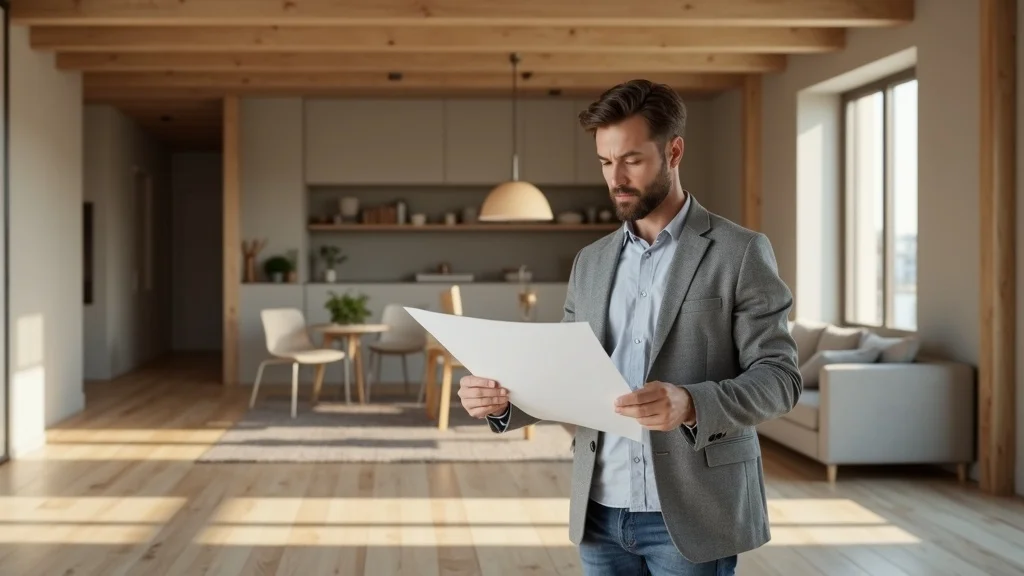
The cornerstone of any forever home is adaptability. Whether your family grows, you downsize, or new hobbies emerge, flexible rooms make sure your living spaces evolve with your lifestyle. Using an open plan floor plan, thoughtfully placed movable partitions, or multipurpose furniture, you can easily convert a spare bedroom into a future nursery, an aging-in-place suite, or a retreat space. The less you have to remodel later, the more future proof—and sustainable—your home becomes.
-
Flexible rooms that evolve with life stages
-
Open floor plan advantages for future proof design
The goal is to proof your home so it meets every chapter of your journey. For example, an adaptable bonus room today could be a home gym, then transform into an accessible guest suite tomorrow. The difference is building in that flexibility from the start, versus trying to retrofit your forever home years later.
Multi-Generational and Aging in Place Considerations
As multi-generational living increases, future proofing should include wider doorways, step-free entries, and bathroom accommodations for anyone with mobility challenges. Features like adjustable countertops, grab bar supports, and zero-threshold showers may seem minor now, but they can ensure your home remains both independent and welcoming for all ages and abilities as needs change.
Integration of Smart Home Technology in Future Proof Home Design
Preparing Your Home for Smart Technology Upgrades
The wave of smart home technology is only growing. Even if you’re not ready to invest in all the latest gadgets today, wiring your home for tomorrow’s devices is crucial for future proofing and keeping your energy bill in check. Embedded Ethernet cables, extra conduit, and modular platforms enable seamless upgrades to lighting, security, temperature controls, and more, without messy retrofits later. Major platforms (like Apple HomeKit, Google Home, and Amazon Alexa) continuously evolve, so making your home compatible from the start means fewer headaches as new devices hit the market.
-
Wiring for tomorrow’s devices
-
Platforms that support evolving systems
Smart thermostats, EV charging stations, automated shading, and leak detection systems are all examples of features that can be easily added—or instantly integrated—when your home is tech-ready at the foundation. This seamless adaptability makes your home more comfortable, secure, and valuable for years to come.

Future Proofing Your Home with Energy Efficient Strategies
Energy Efficient Materials and Green Building Practices
Making your home energy efficient is one of the most impactful ways to future proof your space—and your wallet. Start by selecting high-performance insulation, low-E windows, and durable siding materials to reduce your energy bill and maintenance needs. Green building practices prioritize materials for your home that last, require minimal upkeep, and shrink your ecological footprint. From heat-resistant roofing to energy-rated appliances, every detail enhances the long-term comfort and efficiency of your home.
Renewable Energy Integration: Ready for Solar and Beyond
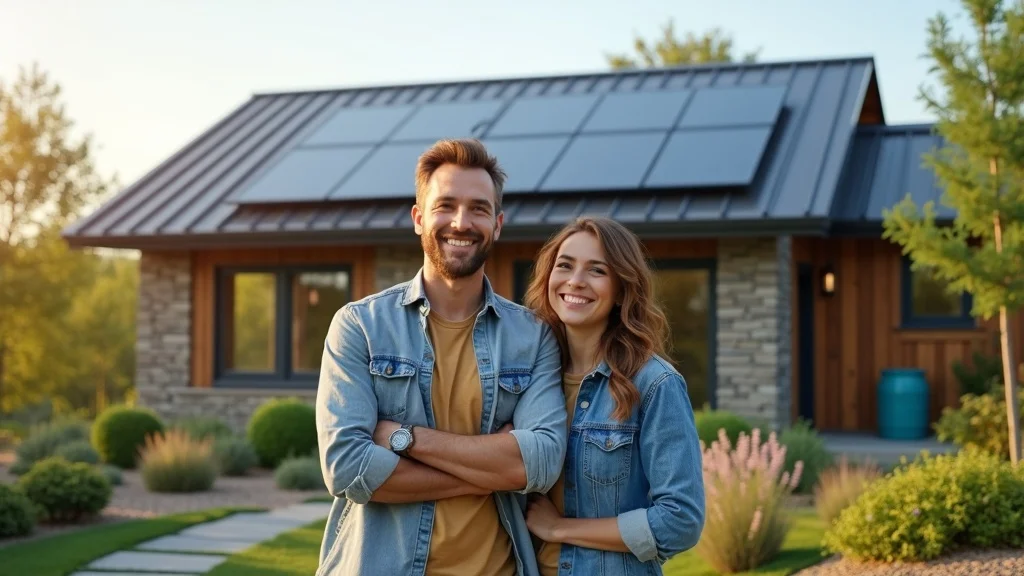
Solar panels are no longer a novelty; they’ve quickly become essential to future proofing custom homes. Planning your roof layout for maximum sun exposure, reinforcing trusses to support future solar panels, and adding inverter-ready wiring make it simple to install solar equipment when you’re ready. Rainwater harvesting, battery storage, and EV charging capacity are also considerations—ensuring your home can grow greener with every technological leap. Even if you don’t install everything on day one, making your home ready for renewable tech means you’re prepared for whatever comes next.
Sustainability: Beyond Energy Efficiency in Forever Homes
Materials Sourcing and Low-Maintenance Choices
Sustainability isn’t just about energy efficiency—it’s about using materials to reduce maintenance and environmental impact for your forever home. Opt for FSC-certified woods, recycled content composites, and stone or brick façades that weather time and trends. Low-maintenance landscaping with native plants and automated irrigation saves time and water, while also resisting drought and severe weather. Select finishes and surfaces that require fewer toxic cleaners and stay looking fresh for decades. These choices add up to lasting beauty, less hassle, and better resale value.
Water Conservation and Proofing Your Home Against the Elements
To truly proof your home for decades, integrate water-smart features from the start. Low-flow fixtures, dual-flush toilets, and rainwater harvesting systems reduce water waste and support a sustainable lifestyle. Strategically grading your lot, adding permeable pavers, and reinforcing exterior siding protect against storms and flooding. By preparing now, you ensure your home stands up to weather extremes and future droughts—with peace of mind and minimal repairs.
Designing for Evolving Lifestyles: Home Offices, Wellness, and Retreat Spaces
How to Make Your Home Adapt to Work-From-Home Trends
The rise of remote work has forever changed how we make your home function. Your living space should easily flex between a quiet home office, private study, or collaborative space. Include abundant natural light, enhanced soundproofing, and outlets or USB ports wherever you might want to work. Glass doors, movable partitions, and convertible furniture help you instantly reclaim space for entertaining, relaxation, or focused productivity—giving your future proof home design endless versatility.
Future Proof Home Features: Fitness, Hobby, and Wellness Infrastructure
Beyond the office, future lifestyle trends call for spaces that support well-being and passion projects. Consider dedicated fitness rooms, meditation zones, or hobby workshops outfitted with sound-absorbing walls and reinforced flooring. Built-in filtration systems, circadian lighting, and access to natural views all support health and peace of mind. Planning for these elements today means you’ll love your home tomorrow—and every day after.

Timeless Aesthetics: Creating a Future Proof Home That Never Feels Dated
Classic vs. Trendy: Exterior and Interior Choices
A future proof home isn’t just functional—it’s beautiful for decades. Classic design elements, like balanced proportions, natural stone, and neutral color palettes, never go out of style. Avoid super-trendy finishes, unusually shaped windows, or bold patterns that feel dated within a few years. The test of time favors homes that blend gentle innovation with enduring grace on both the inside and out.
Color, Material, and Design Decisions That Age Gracefully
Opt for flexible color schemes, rich wood floors, and premium surfaces that resist blemishes and fading. Consider timeless hardware finishes (like brushed nickel or matte black) and materials (such as ceramic, natural stone, and quality composite) that adapt with changing decor. The result? Your home remains inviting, contemporary, and easy to refresh—without risky, costly overhauls later on.
Safety and Security: Essential Future Proofing for Your Home
Home Security Technologies to Future Proof Your Home
Today’s best future proof home design includes robust security infrastructure. Pre-wire for smart locks, camera doorbells, and motion sensors—even if you’re not ready to install them yet. Consider glass break detectors, panic buttons, and integrated home automation systems to create a safe haven that evolves alongside new innovations. This keeps your family secure without sacrificing the modern aesthetic of your custom home.
Future Proofing Against Environmental Risks
Protecting your investment means planning ahead for fire, flooding, or severe storms. Use impact-resistant windows, fire-retardant roofing, and backup power systems to weather any challenge. With climate changes accelerating, homes that stand up to environmental risks keep their value and ensure your comfort, even during outages or emergencies.
People Also Ask: What Adds $100,000 to Your House?
Features That Significantly Increase Home Value Over Time
Features that add value—sometimes up to six figures—include flexible floor plans, premium energy efficient upgrades, solar panels, durable facade materials, and integrated smart home systems. Universal design for accessibility is increasingly recognized by appraisers and buyers alike. These future proofing strategies protect resale value, ensuring your forever home remains desirable and competitive on the market, wherever life leads.
People Also Ask: What is a Future-Proof Home?
Defining and Understanding Future Proof Homes
A future-proof home is a house designed and built to gracefully handle changes in family size, lifestyle, technology, and environmental conditions—without major renovations. By making your home adaptable, energy efficient, and technologically ready, you set yourself up for worry-free living and add layers of value that stand the test of time.
People Also Ask: What Will a House Look Like in 2050?
Predicted Trends and Technologies for Future Proof Home Design
By 2050, experts predict homes will be hyper-connected, with seamless automation, renewable energy integration, and flexible setups for remote work, wellness, and multi-generational living. Expect walls that move, universal design throughout, and healthy, locally sourced building materials. Sustainability and resilience against climate risks will be standard, not optional.
People Also Ask: What Devalues a House Most?
Avoidable Design Choices That Lead to Depreciation
The biggest threats to your home’s value? Outdated infrastructure, inflexible floor plans, inefficient systems, and bold design choices that quickly become passé. Skimping on energy efficient materials, ignoring accessibility, or failing to anticipate tech upgrades will age your home rapidly—often forcing costly renovations later. Smart future proofing avoids these missteps so your home stays relevant and valuable.
FAQs: Future Proof Home Design
-
How can I proof my home against changing tech?
Future proof your home with extra wiring conduit, modular outlets, and open source-compatible control panels, so you can swap in new devices and platforms with ease as technology evolves. -
What are must-have energy efficient features for future proofing?
Invest in energy efficient windows, insulation, smart thermostats, LED lighting, and solar panel readiness to save on your energy bill and keep your home comfortable as energy standards advance. -
Should my forever home be custom-designed for universal accessibility?
Absolutely. Wider doorways, step-free entries, and accessible bathrooms ensure your home is welcoming and functional for all ages, abilities, and future needs. -
Which smart technologies offer the most future proofing benefit?
Focus on smart security systems, whole-home automation hubs, EV charging readiness, and integrated leak/temperature sensors to stay ahead of safety and convenience trends.
Tables: Future Proof Features Checklist
| Home Feature | Why It’s Future Proof | Considerations for Custom Homes |
|---|---|---|
| Flexible Floor Plans | Adapt to family/lifestyle changes | Build for aging in place |
| Connectivity Wiring | Supports evolving smart tech | Allow for upgrades |
| Solar Panel Ready | Renewable energy integration | Rooftop orientation |
| Durable Facade Materials | Minimize maintenance/repairs | Weather resistance |
| Universal Access Design | Enables all ages and abilities | Wider halls/zero-step showers |
Key Takeaways for Future Proof Home Design
-
Start with flexible layouts
-
Future proof with energy efficient construction
-
Invest in durable, sustainable materials
-
Prioritize smart tech readiness
-
Design your forever home for evolving needs
Conclusion: Partnering with HomeSource Custom Homes for Future Proof Home Design
“A future proof home is a legacy—timeless, resilient, and always ahead of the trends.”