
Imagine stepping into a luxury home that seamlessly blends beauty, comfort, and accessibility for people of all ages and abilities. That’s the essence of incorporating universal design features: creating sophisticated spaces that feel inviting and function brilliantly, whether you’re hosting a lively multi-generational gathering or planning for a future that adapts to every need. If you’re building your custom dream home or renovating for lasting value, universal design is the key to transforming your space—now and for years to come.
Creating Lasting Homes: The Importance of Incorporating Universal Design Features
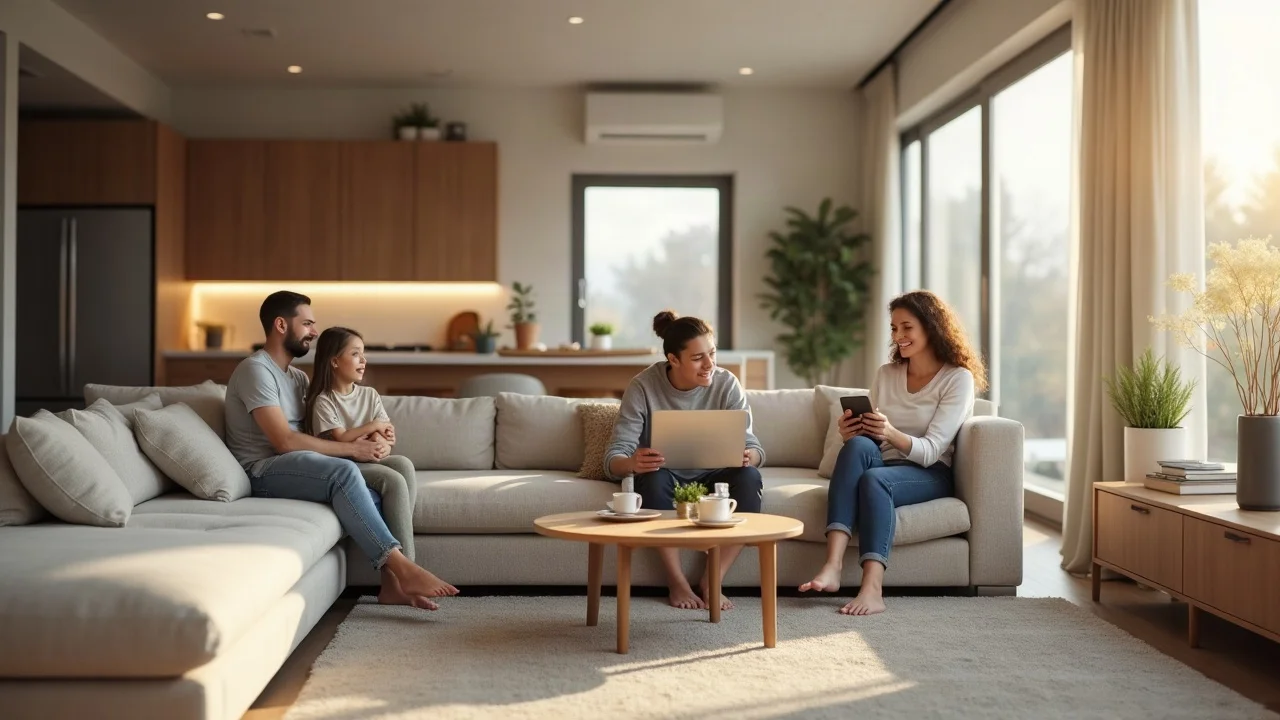
Building a custom luxury home is more than a pursuit of style or architectural grandeur—it’s an investment in your family’s future. As lifestyles evolve and multigenerational living becomes more common, incorporating universal design features ensures your home delivers both timeless beauty and unmatched functionality. Universal design isn’t solely for those with disabilities; it’s a design philosophy that places usability and comfort at the forefront for people of all ages, abilities, and backgrounds. Wide hallways, step-free entries, and intuitive smart tech aren’t just conveniences; they are essential elements for anyone seeking long-term comfort and adaptability in their luxury home. Integrating universal design can mean fewer costly renovations down the road, an expanded pool of potential buyers, and a space where everyone—regardless of ability—can create lasting memories. A home that anticipates your needs and prioritizes accessibility is a home that truly stands the test of time.
What You’ll Learn About Incorporating Universal Design Features
-
The core principles behind incorporating universal design features
-
How universal design benefits custom luxury homes
-
Practical steps for integrating universal design approach in your next project
-
Key features of universal design to elevate comfort and accessibility
-
Guidelines to exceed national and european standards in high-end residential builds
Understanding Universal Design: A Foundation for Inclusive Living
Defining Universal Design and the Universal Design Approach
Universal and eco friendly design is a forward-thinking philosophy that guides the design and composition of environments, products, and systems to be usable by all people, to the greatest extent possible, without the need for adaptation or specialized design. At its heart, the universal design approach recognizes the diverse needs and abilities of individuals, whether due to age, ability or disability, or simply personal preference. Good design is inclusive design—addressing the realities of everyday living and creating spaces where equity, dignity, and independence are standard features, not afterthoughts. When you adopt the universal design approach for your high-end home, you move beyond minimum code requirements and tap into globally respected standards, ensuring your investment holds its value and appeal regardless of who occupies the space over time.
Brief History and Evolution of Universal Design in National and European Contexts
The roots of universal design can be traced back to the mid-20th century, evolving alongside movements for disability rights and inclusive infrastructure within both the United States and national and european frameworks. The concept took hold as architects, federal agencies, and policy leaders recognized that true accessibility benefits everyone—not just people with disabilities. Over time, official website guidelines and comprehensive standards emerged, influencing how spaces are created from the outset. In Europe, strong alignment with equality and social participation has spurred widespread adoption of universal design principles across both public and private sectors. For luxury homeowners, this history underscores the importance of forward-looking design, not just to meet legal requirements, but to embrace a vision of inclusion that stands as a hallmark of good design and societal progress.
The 7 Principles of Universal Design: Core Features to Incorporate
-
Equitable use
-
Flexibility in use
-
Simple and intuitive design
-
Perceptible information
-
Tolerance for error
-
Low physical effort
-
Size and space for approach and use
These seven principles provide an actionable framework for incorporating universal design features into any custom home project. They call for spaces that promote equitable use—meaning anyone, regardless of ability or disability, enjoys the same ease of access and comfort. Flexibility in use supports varying preferences and needs, such as adjustable kitchen counters or multi-height work surfaces. Through simple and intuitive design, perceptible information, and tolerance for error, homeowners are protected against confusion and accidents. Low physical effort and proper size and space for approach and use allow everyone, from children to seniors, to navigate and enjoy every room with confidence and independence. Adopting these principles from the start ensures your luxury home achieves lasting elegance and inclusivity.
Key Features When Incorporating Universal Design Features in Custom Luxury Homes
Accessible Entryways, Doorways, and Hallways
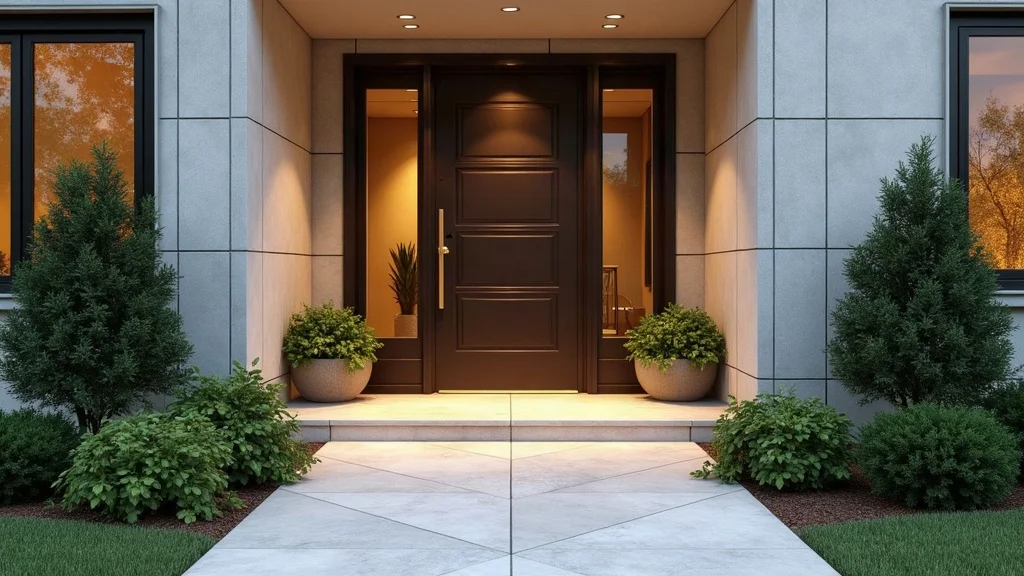
One of the most noticeable differences in a luxury home designed with universal design principles is the effortless flow from one space to another. By incorporating universal design features such as step-free entryways and wide, unobstructed corridors, you eliminate physical barriers that impede movement for people with disabilities, young children, or anyone carrying groceries or luggage. Wider doors equipped with lever handles, zero-threshold transitions, and ramps with handrails ensure that the grandeur of your entry is matched by practical functionality. Not only does this approach facilitate accessibility, but it also elevates the overall sense of openness and sophistication—making spaces appear grander and more welcoming to all guests. The condition of good design is ultimately about achieving exceptional usability, regardless of the resident’s age or circumstances.
Barrier-Free Kitchens and Bathrooms
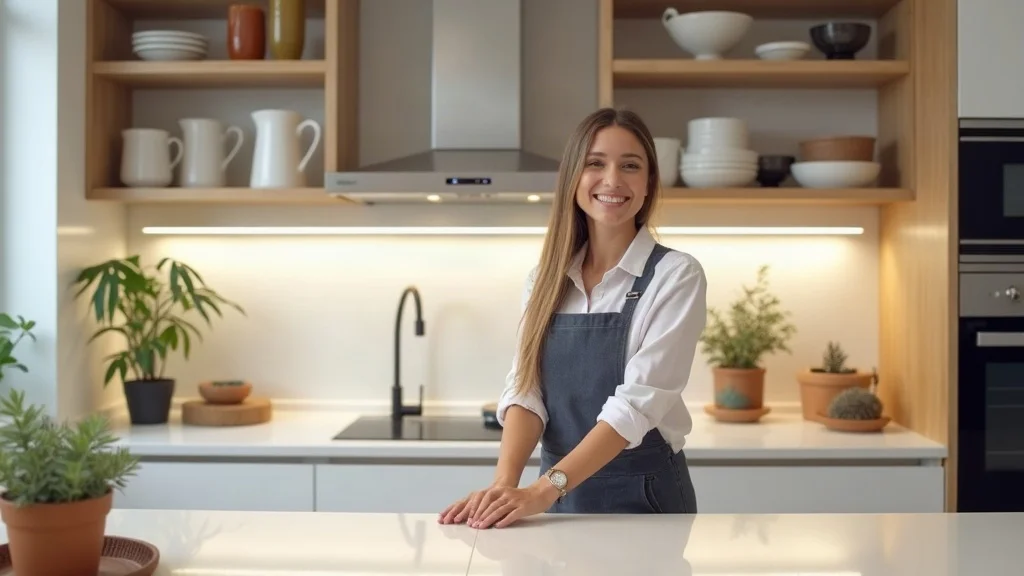
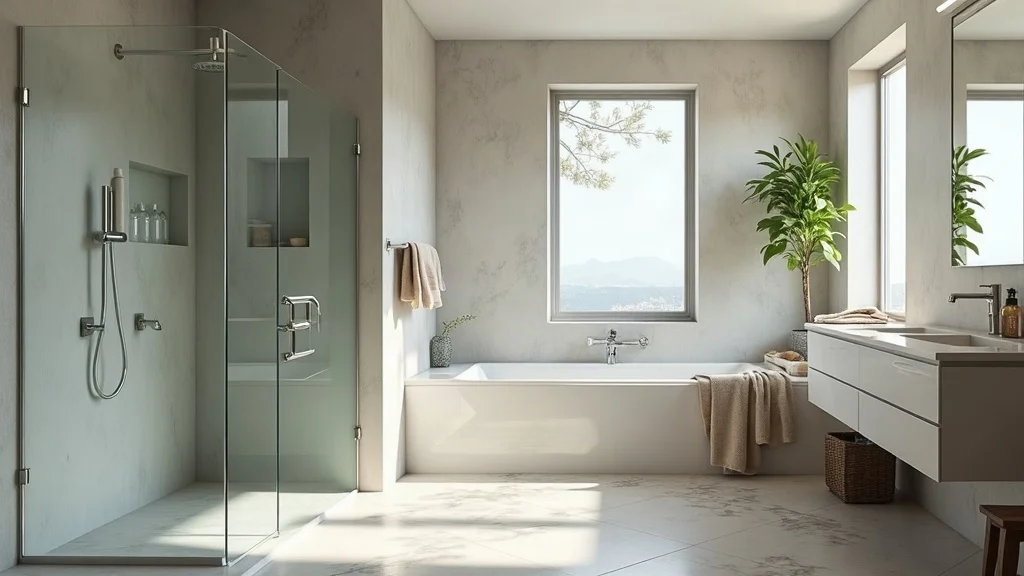
The kitchen and bathroom are two rooms where luxury and accessibility should always go hand in hand. Features like lowered countertops, open shelving, and clear, wide pathways allow everyone—from passionate cooks to visiting grandparents—to engage actively in daily life. By incorporating barrier-free layouts, roll-under sinks, and easily adjusted cabinetry heights, you transform these spaces into versatile hubs that support independence and connection. In bathrooms, curbless roll-in showers, strategically-placed grab bars, and raised toilets ensure both safety and relaxation. Far from appearing institutional, the latest universal design approach leverages cutting-edge materials and designer finishes, creating sanctuaries that feel indulgent yet accessible for every resident and guest.
Lighting, Controls, and Smart Tech Integration
No modern luxury home is complete without thoughtful lighting and seamlessly integrated technology. For universal design, this means incorporating dimmable lights, easy-to-read displays, and smart, touch-sensitive controls that can be accessed with minimal effort. Motion-activated systems, voice controls, and programmable home management tools not only increase daily convenience but also support homeowners as needs change over time. By prioritizing systems that can be customized for sensory needs or those with reduced dexterity, you ensure the comfort and security of everyone in your household. This integration also adds a sophisticated, futuristic feel—allowing your home to adapt as technology evolves, and you as the homeowner, remain in control at every stage.
Slip-Resistant and Low-Threshold Surfaces
Elegance and safety are mutually reinforcing in today’s best home designs. Incorporating universal design features such as textured, slip-resistant flooring, and low or no thresholds at room transitions and showers, offers both security and aesthetic harmony. These features are indispensable for households with children, the elderly, or guests with mobility aids. Designer tiles, high-quality vinyls, and seamless transitions between indoor and outdoor spaces maximize safety without compromising the sleek lines or visual flow that characterize luxury living. Investing in thoughtful surfaces is an easy way to ensure that your home remains a welcoming haven—no matter who’s visiting or what the future may hold.
Universal Design Approach: Practical Steps for Seamless Integration
-
Assessing client needs and vision: Begin with an in-depth conversation to understand your client’s lifestyle, mobility considerations, and aesthetic goals.
-
Evaluating current space for opportunities and barriers: Conduct a thorough walkthrough to identify potential areas where accessibility can be improved or obstacles reduced.
-
Selecting high-end, adaptable materials and finishes: Choose luxury materials that offer both durability and flexible application—from adjustable cabinetry to tactile, slip-resistant flooring.
-
Collaborating with architects and specialized contractors: Bring together a team with expertise in the universal design approach, ensuring each detail aligns with the broader vision.
-
Reviewing for compliance with national and european universal design standards: Utilize official website guidelines, even exceeding minimum requirements, to future-proof your investment.
Universal Design Guidelines Explained
What are the 3 UDL Guidelines?
The three Universal Design for Learning (UDL) guidelines are Multiple Means of Engagement, Representation, and Action/Expression. These guidelines are designed to address the diverse needs and abilities of all learners. In the context of residential spaces, they translate into creating engaging environments, offering information in various accessible formats, and allowing users to interact with their surroundings in multiple ways. By leveraging the universal design approach, these guidelines help ensure that environments, content, and experiences are accessible and meaningful to everyone.
What are the 7 Principles of Universal Design?
The seven principles of universal design—equitable use, flexibility in use, simple and intuitive design, perceptible information, tolerance for error, low physical effort, and size and space for approach and use—form the backbone of any truly accessible, high-end home. By incorporating these universal design features, luxury homes can support people with disabilities, welcome guests of all ages, and future-proof living environments for evolving circumstances, providing both style and substance that befit the highest standards of luxury.
What are the features of universal design?
Common universal design features include barrier-free entryways, wider doorways, lever-style handles, adjustable cabinetry, curbless showers, slip-resistant flooring, and smart home technology. These features ensure that spaces are navigable, usable, and comfortable for everyone—regardless of ability or disability—making them a cornerstone of good design in custom homes. Integrating these elements, supported by the universal design approach, enhances your home’s accessibility, safety, and long-term value.
How to Incorporate Universal Design for Learning?
To incorporate Universal Design for Learning, begin by offering information in multiple ways—visual, auditory, and tactile formats—so that everyone can access and understand content. In the context of designing spaces, provide options for engagement and interaction: think of adjustable desks, accessible tech controls, and flexible lighting. The universal design approach in luxury homes means collaborating with content creators, architects, and usability testing teams to ensure an environment where every occupant—regardless of ability—thrives.
Case Study: Successfully Incorporating Universal Design Features in Luxury Homes
“With universal design, comfort, style, and accessibility are never mutually exclusive. It’s about envisioning a home that evolves with your family’s needs.” – HomeSource Custom Homes Senior Designer
In a recent HomeSource Custom Homes project, the design team partnered with a high-income family to build a luxury home that would serve current and future generations. The process began with extensive usability testing and client input, focusing on creating environments that respect diverse needs and abilities. Step-free, barrier-free entryways led into an open-concept living area with clearly defined but easily accessible zones. Kitchens featured adjustable worktops and integrated appliances, while bathrooms were outfitted with curbless showers and designer grab bars. These universal design features not only met national and european standards but also set a new benchmark for comfort and elegance in custom home building. By prioritizing accessibility at every stage, the family created a legacy home—beautiful, adaptable, and ready for the future.
Comparison Table: Traditional vs. Universal Design Features in Custom Homes
|
Traditional Home Features |
Universal Design Features |
|---|---|
|
Standard doorways |
Wider, barrier-free doorways |
|
Stair-only entry |
Step-free entry and pathways |
|
Fixed cabinetry heights |
Adjustable, easily accessible cabinetry |
|
Standard light switches |
Smart, touch-sensitive controls |
|
Typical tubs/showers |
Curbless, roll-in showers |
FAQs: Addressing Your Top Questions on Incorporating Universal Design Features
-
How do universal design standards affect the resale value of custom homes?
Incorporating universal design features enhances your home’s appeal to a broader demographic, increasing accessibility and comfort for all. This makes your luxury property highly attractive on the market, improving its resale value and ensuring lasting investment. -
Which universal design features provide the best return on investment?
Barrier-free entryways, wide hallways and doorways, curbless showers, and smart controls provide immediate usability benefits while attracting future buyers seeking long-term adaptability and inclusivity in a luxury home. -
Are universal design features only for multigenerational households?
No—universal design features benefit everyone, regardless of age or family structure. They ensure ease, comfort, and dignity for residents and guests alike, making your home future-proof for changes in mobility, family needs, or unexpected circumstances.
Key Takeaways on Incorporating Universal Design Features for Luxury Homes
-
Incorporating universal design features elevates comfort, accessibility, and long-term value
-
Universal design approach aligns luxury with inclusivity
-
Custom solutions can reflect your lifestyle and enhance your living experience
Ready to Transform Your Custom Home?
Contact us atHomeSource Custom Homesto start your personalized journey to a smarter, more inclusive living space. Call us at(636) 296-0100.